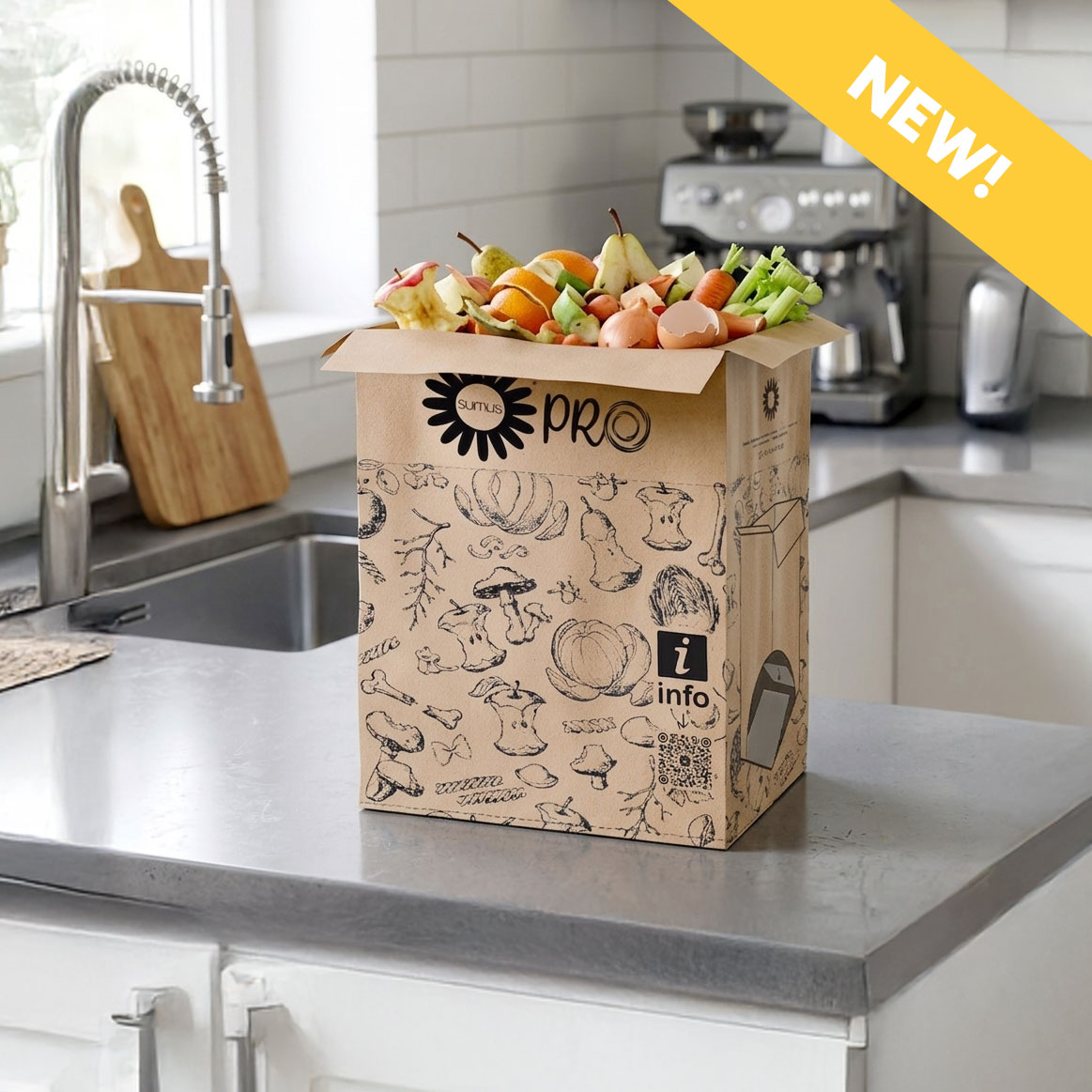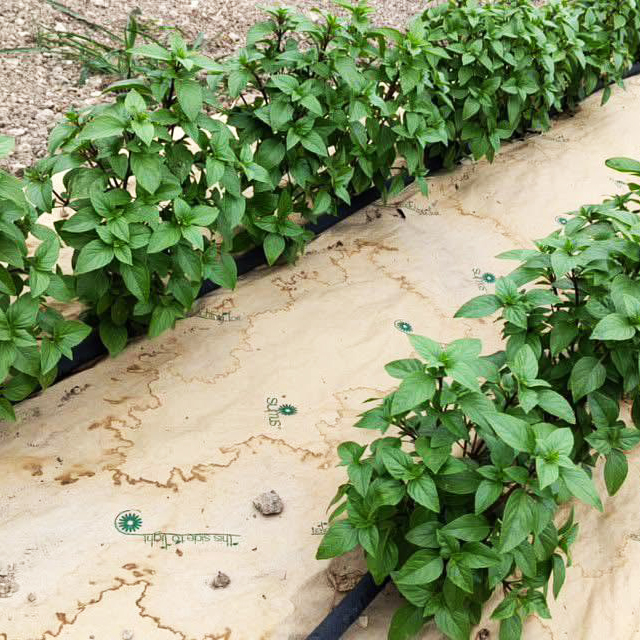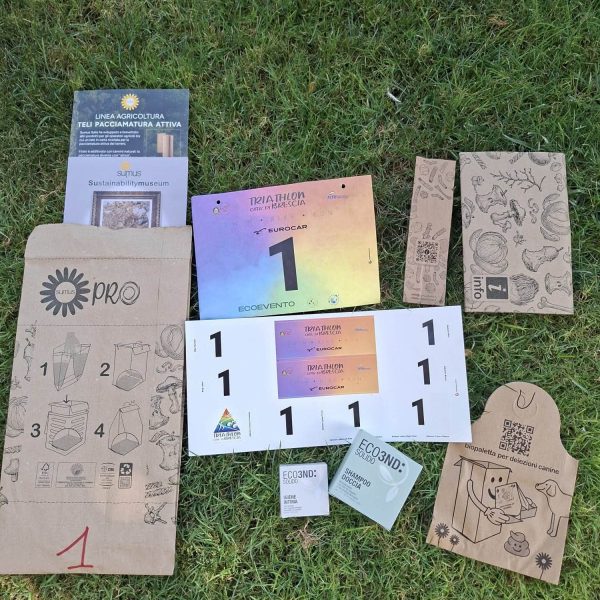

It improves the quality of collected organic and paper waste, increases the amount of sorted organic and paper waste, reduces the distribution of bags for organic and paper collection, and decreases the weight of the organic fraction thanks to breathability.
As the weight decreases, so do the disposal costs at organic treatment plants and paper sorting facilities. The surface of the bags is highly printable, allowing for the dissemination of useful messages and instructions to citizens. Over time, the number of bags to be supplied decreases, resulting in significant cost savings across the supply chain, freeing up resources for other uses (within the waste collection system or for other purposes).
The continuous use of Sumus bags helps reduce or avoid increases in the waste tax (TARI) for citizens. All Sumus bags comply with Ministerial Decree 23/06/2022 No. 182 (Minimum Environmental Criteria).
A pure organic waste and a paper fraction free of contaminants are delivered, eliminating the need for bag-breaking operations for both organic and paper waste. Sumus bags for organic waste are biodigestible, ensuring full compatibility with organic treatment plants (both aerobic and anaerobic) and paper sorting facilities, where material homogeneity is essential.
Biogas is produced in greater quantity and of higher quality. The typical “dragging effect” caused by other types of containers—which must be opened to expose the organic waste to processing—is avoided. Sumus® paperbags minimize process waste, thereby maximizing the efficiency and potential of the treatment facility.
The quality of collected paper and biowaste is improved, the number of collection rounds and quantities are optimized, vehicle management is enhanced, fuel consumption is reduced, pollutant gas emissions are lowered, and working conditions for operators are improved. No dirty water is transported.
Bag distribution management is improved, and warehouse logistics are optimized. Sumus bags have no expiration date, eliminating the risk of having to dispose of pallets of deteriorated products, as can happen with bags made from other materials.
Fewer bags are used, the weight of the waste is reduced, and the volume of the bags is optimized (organic waste naturally compacts, reducing its volume by up to 50%), no bad odors are produced, no liquids are dispersed, and there are no bag breakages or waste leakage. Detailed usage instructions help manage household or commercial waste sorting effectively, resolving doubts and uncertainties.
Sorting becomes easier and more efficient. Sumus® bags, made exclusively from recycled paper, are a clear example of material recovery and savings in both economic and environmental resources.
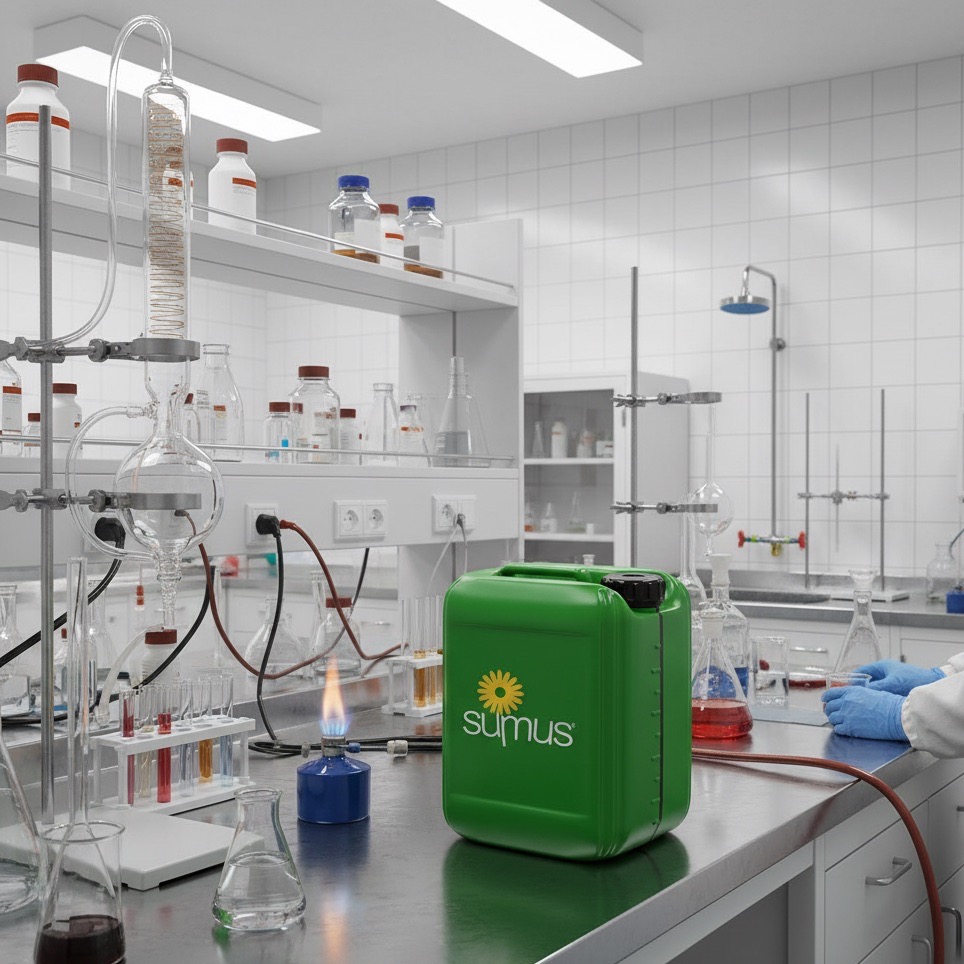
The Sant’Anna School of Advanced Studies in Pisa, together with Bocconi University in Milan, conducted a Life Cycle Assessment of the Sumus® bag for organic waste collection to evaluate its environmental footprint.
The Sumus® bag has an extremely low impact. Most of the emissions recorded during its production are related to the pulping and paper manufacturing stages—preliminary phases of the process that leads to the final bag.
Fully integrated into the waste cycle, the Sumus® bag acts as an “environmental cleaner,” making the organic waste cycle (as well as paper and green waste collection) more efficient and sustainable.
Sumus® bags for paper collection offer: high printability, versatility, and customizable communication in multiple languages; they encourage responsible behavior, such as separating non-paper packaging from magazines or other unsuitable materials; they enable classification in Comieco’s Class A (the most profitable) at the paper recovery platform, eliminating the need for bag-breaking and reducing manual sorting operations—resulting in clear savings from reduced disposal and labor costs. They also increase the weight and quality of the collected paper. In this way, the bags partially “pay for themselves” within the process.
FSC® certification communicates to users that the collected paper is legally sourced, genuinely reused, and does not compromise forest resources.
The Polytechnic University of Milan conducted and published a study in 2018 and 2019 on the use of Sumus® paper bags in the organic waste collection and treatment cycle, aiming to assess their impact on the compost and biogas production process from organic digestate.
The study revealed that paper can generate up to 80% more biomethane compared to bioplastics.